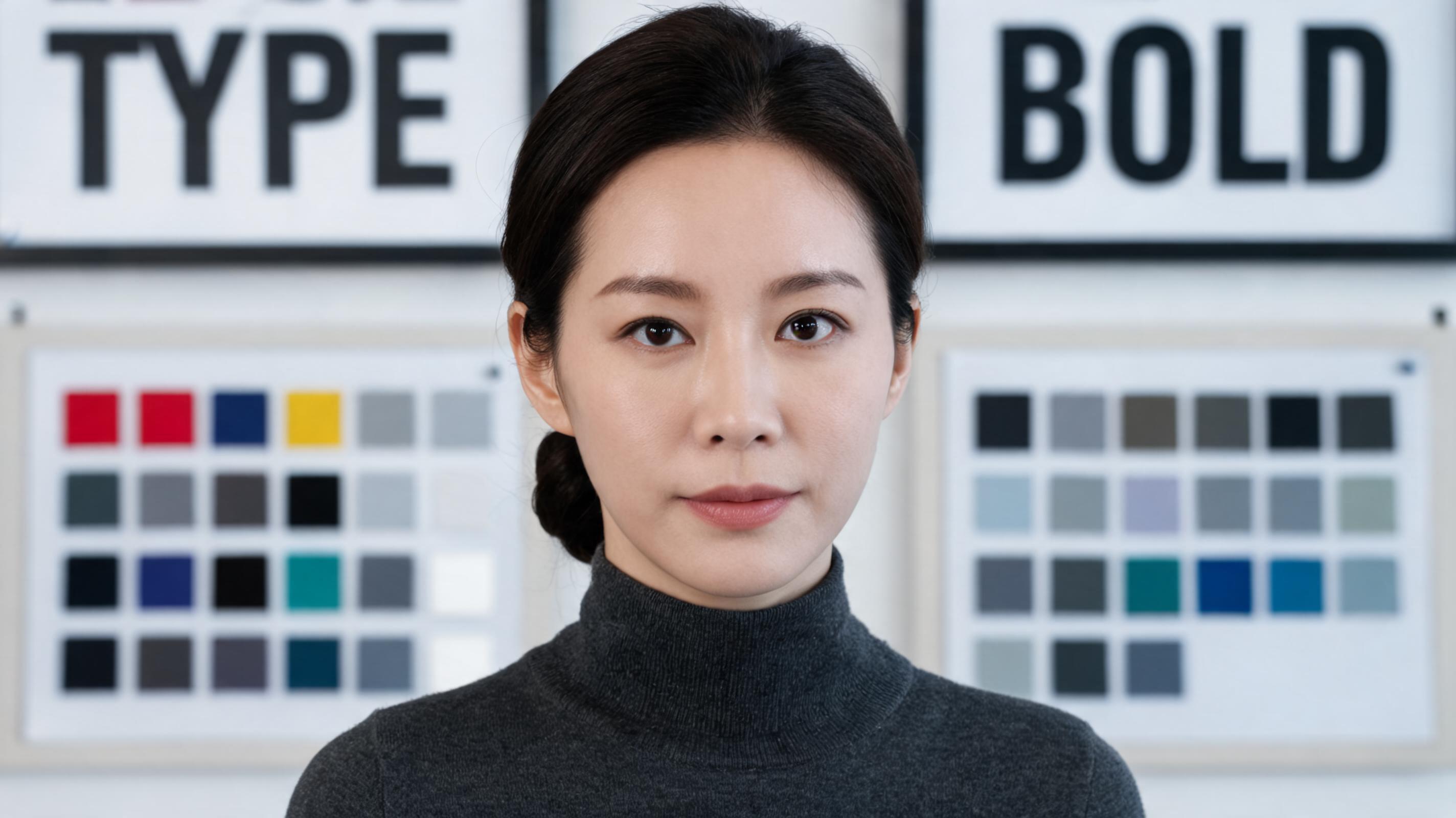
HeyGen Avatar 6 Image to Video
HeyGen Avatar 6 Image to Video is an image-to-video model that turns a single photo of a person or character into a lip-synced talking video. You give it one reference image plus speech — either your own audio or a typed script read by a HeyGen stock voice — and it animates the face and upper body to match.
What is HeyGen Avatar 6 Image to Video?
It is HeyGen's most realistic avatar model, reported 84.4% indistinguishable from real footage and ranked first on the independent Avatar Arena. From one still image it reproduces a person's appearance, manner of speaking and natural motion together, so a plain headshot becomes a presenter who actually performs the words rather than idly mouthing them.
Key Features
- One-photo talking video: animate a single reference image, with no filming or avatar setup.
- Script-aware gestures: the model reads the script's meaning and times pointing, counting and directional movement to the matching words.
- Accurate lip-sync in a HeyGen stock voice, or lip-sync to your own uploaded audio.
- Motion control: a motion_prompt for gestures, expression and posture, plus motion_expressiveness for a calmer or livelier delivery.
- Native 1080p or 2k output, standard and turbo tiers, and a clip length that follows the speech.
Best Use Cases
Spokesperson and explainer videos made from a single headshot: product updates, founder messages, course lessons, onboarding, announcements and localized talking-head clips. The script path ships an update without filming — type the words, pick a stock voice, and the avatar counts on cue or points as the line calls for it. The audio path lip-syncs to your own recorded voice for brand consistency.
Prompt Tips and Output Quality
Use a sharp, front-facing photo with one clearly visible face. Write a natural script with concrete beats — a number, a short list, a shift in tone — so the gesture timing has something to track. Add a short motion_prompt to tie an action to a phrase, such as "count on the fingers through the list". Pick standard for top quality, turbo for faster drafts, and 2k for large-screen detail.