Kling 3.0 Standard Motion Control (Video-to-Video)
What is Kling 3.0 Standard Motion Control?
Kling 3.0 Standard Motion Control, from Kuaishou's Kling team, is a video-to-video motion-transfer model. Give it two inputs — a single still character image and a 3-30 second reference video — and it produces a new 720p clip in which your character performs the reference's exact movement while keeping its own face, expression and outfit. Because it separates appearance (the image) from action (the video), you can reuse one motion reference across many characters. The standard tier is built for drafts and high-volume iteration before a 1080p pro final render.
Key Features
- Reference-driven motion transfer: the character copies the driving clip's choreography step for step, instead of guessing from a text prompt.
- Identity preservation: face, expression and costume stay stable through head turns, fast motion and partial occlusions.
- Physics-accurate grounding: feet stay anchored and weight shifts look natural, with no sliding.
- Orientation control:
character_orientationfollows the reference (up to 30s) or keeps the image's facing (up to 10s). - Scene prompt and audio: an optional prompt adds background or camera, and
keep_original_soundcarries the reference audio.
Best Use Cases
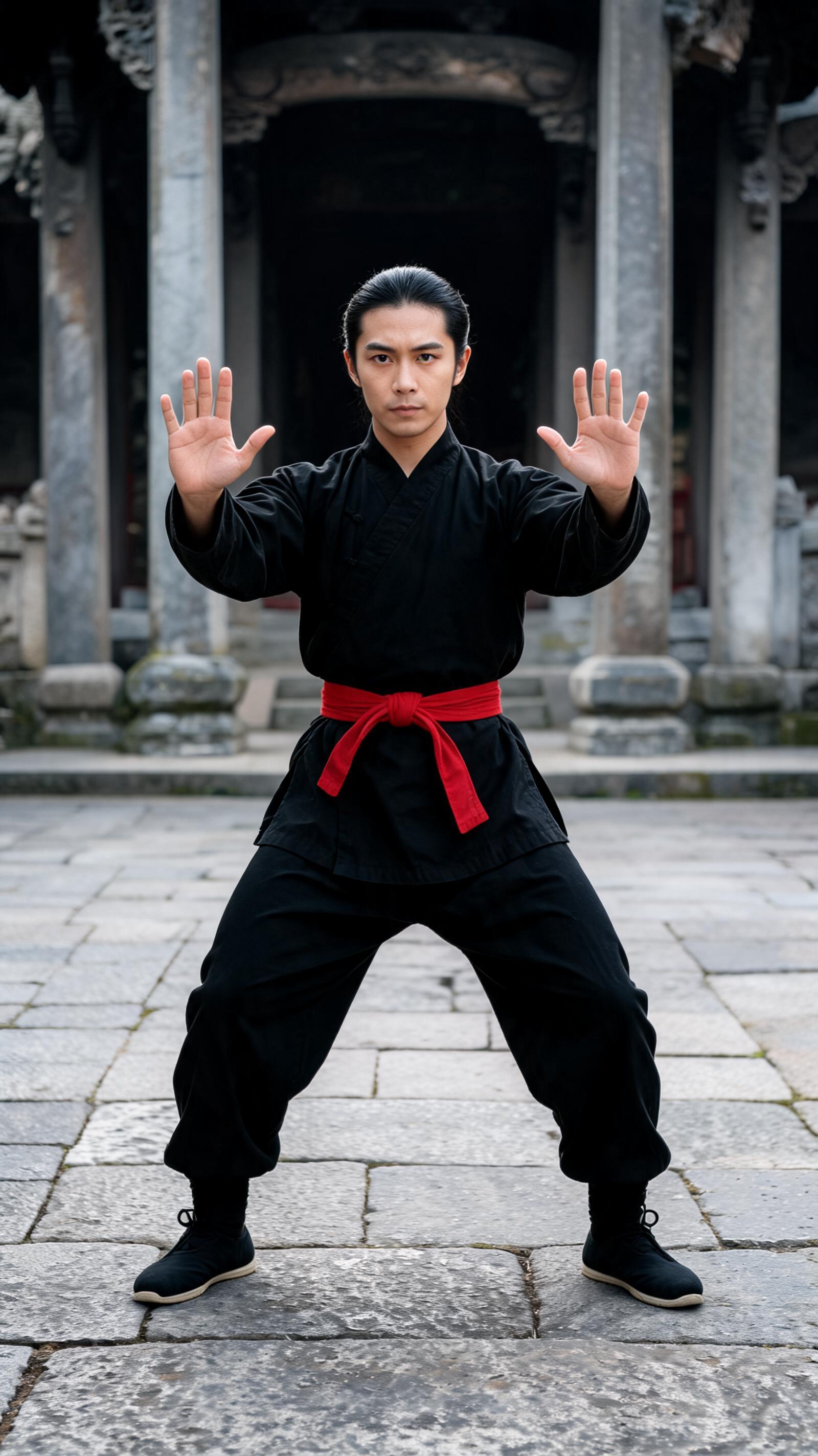
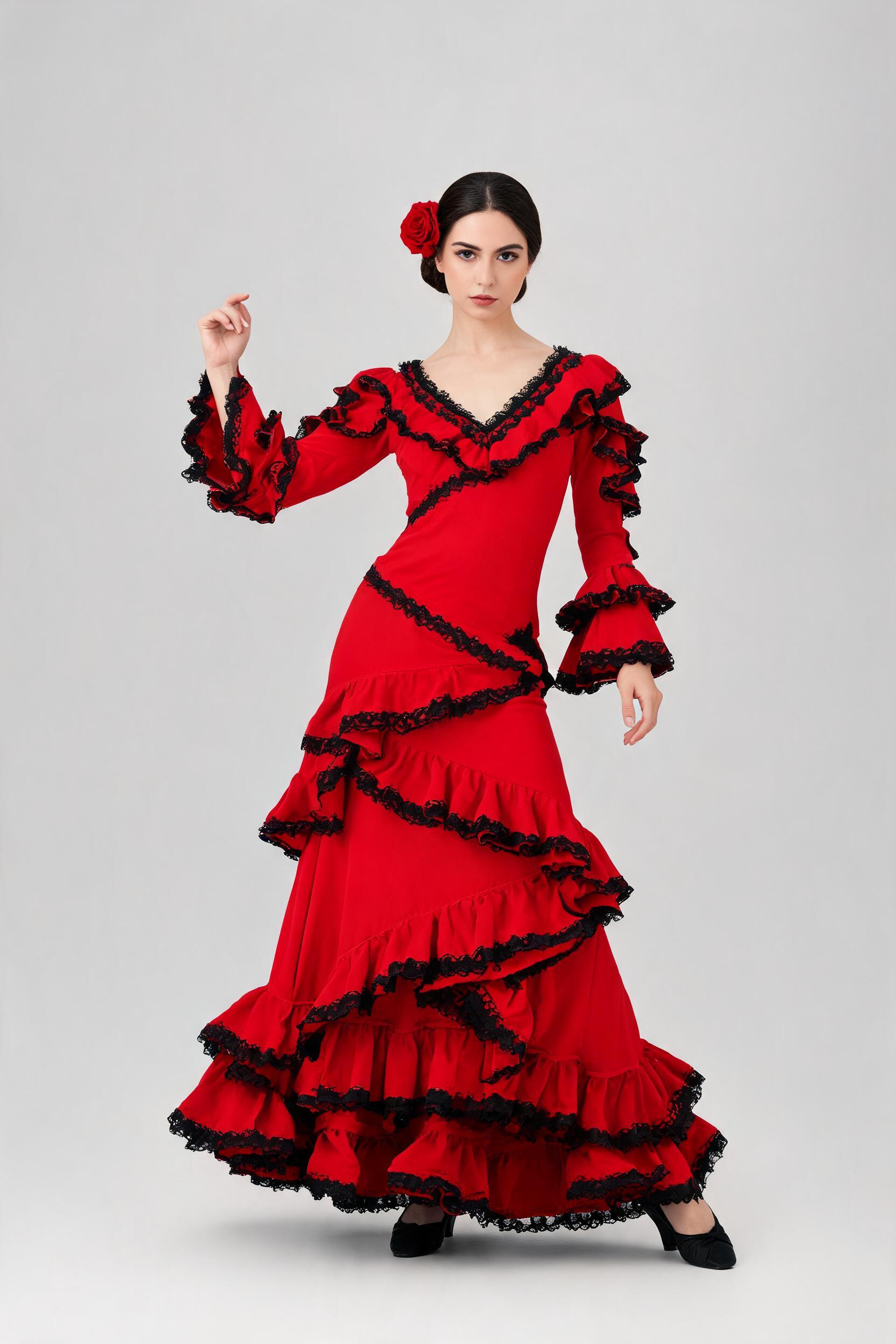
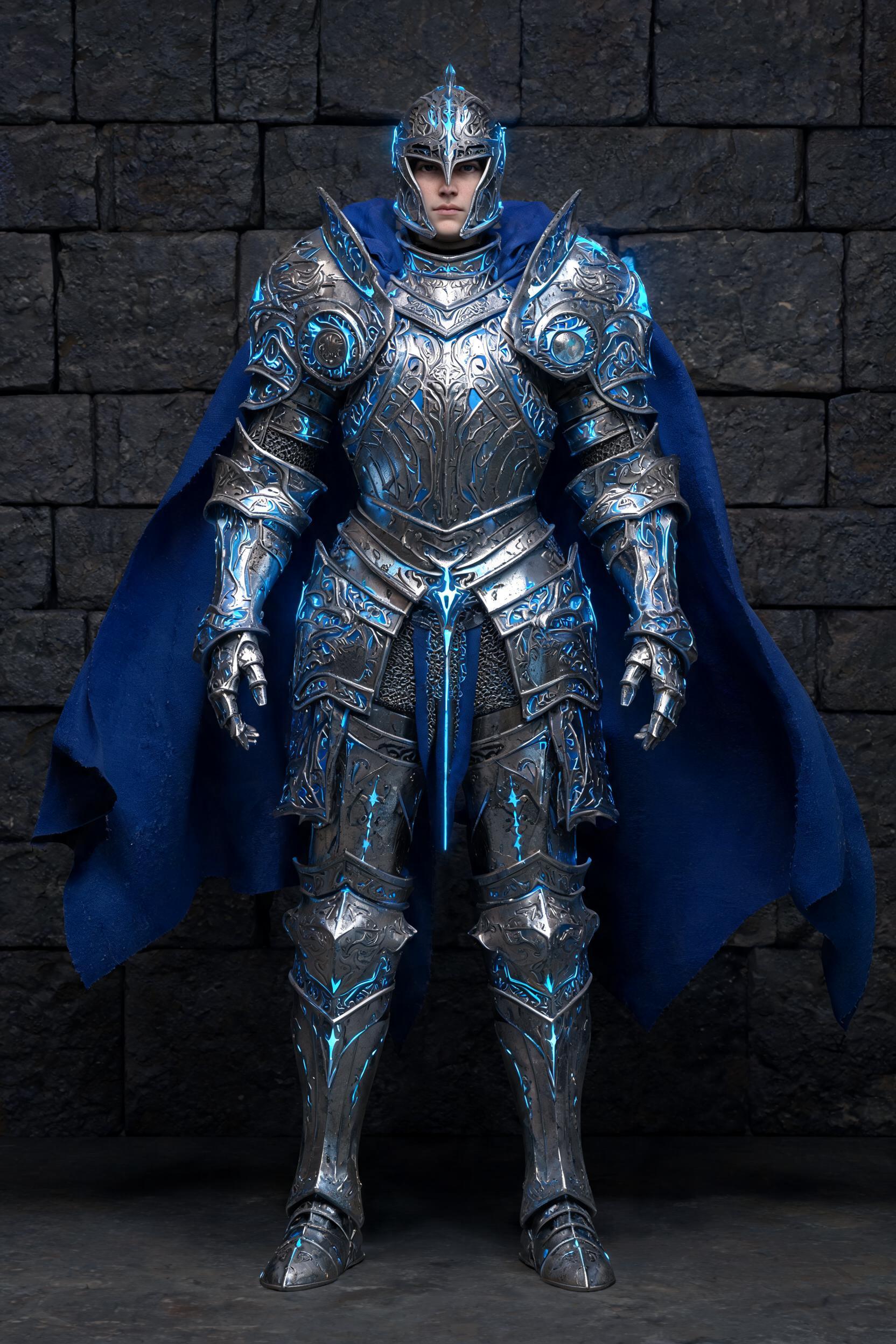
Apply a trending dance, a martial-arts form or an expressive gesture to a custom character, avatar or concept-art figure. Drive brand mascots and digital characters with real performances, and reuse one motion template across a whole cast to build a consistent series. In testing, a still wushu martial artist cleanly reproduced a driving clip's kung-fu kick-and-block sequence at 720p — face, uniform and courtyard setting held throughout — which makes the standard tier a strong fit for social content, previsualization and character animation at a weekly cadence.
Prompt Tips and Output Quality
Motion comes only from the video, so pick a clean, single-person reference with continuous, moderate-speed motion; avoid cuts, multiple people and very fast action. Use a full-body character image with a clearly visible, reasonably large face to protect likeness. The prompt only adds scene, background or camera, so keep it short and concrete. Output length always matches the reference clip.