How to Use MiniMax H3 Text to Image
MiniMax H3 Text to Image turns a written description into a high-resolution image. The model reads your prompt, optionally rewrites it to add detail, and renders natively at up to about 16 megapixels. It is strongest when a prompt is specific, and when you need words to appear correctly inside the image.
Writing the prompt
Name concrete subjects, materials, era and composition rather than stacking adjectives. For in-image text, put the exact words in single quotes (for example 'OPEN' or 'EST. 1894'); the model keeps the spelling and places the text where you describe it. Order the sentence the way you want the scene read, from foreground to background.
Prompt enhancement
enhance_prompt is on by default and expands a short request into the detailed caption the model reads best; the rewritten prompt is returned so you can see exactly what was generated. Turn it off to render your words verbatim, and then set an aspect ratio (not auto) or an exact size.
Choosing resolution and shape
area sets detail: use 4K for print, posters and crisp small text, 2K for faster everyday work, and 1K for drafts. Set aspect_ratio from 1:3 to 3:1, or give an exact size (WIDTHxHEIGHT, 655,360 to 20,000,000 pixels). A less-wide ratio such as 4:3 keeps lettering large and legible.
Recommended Settings
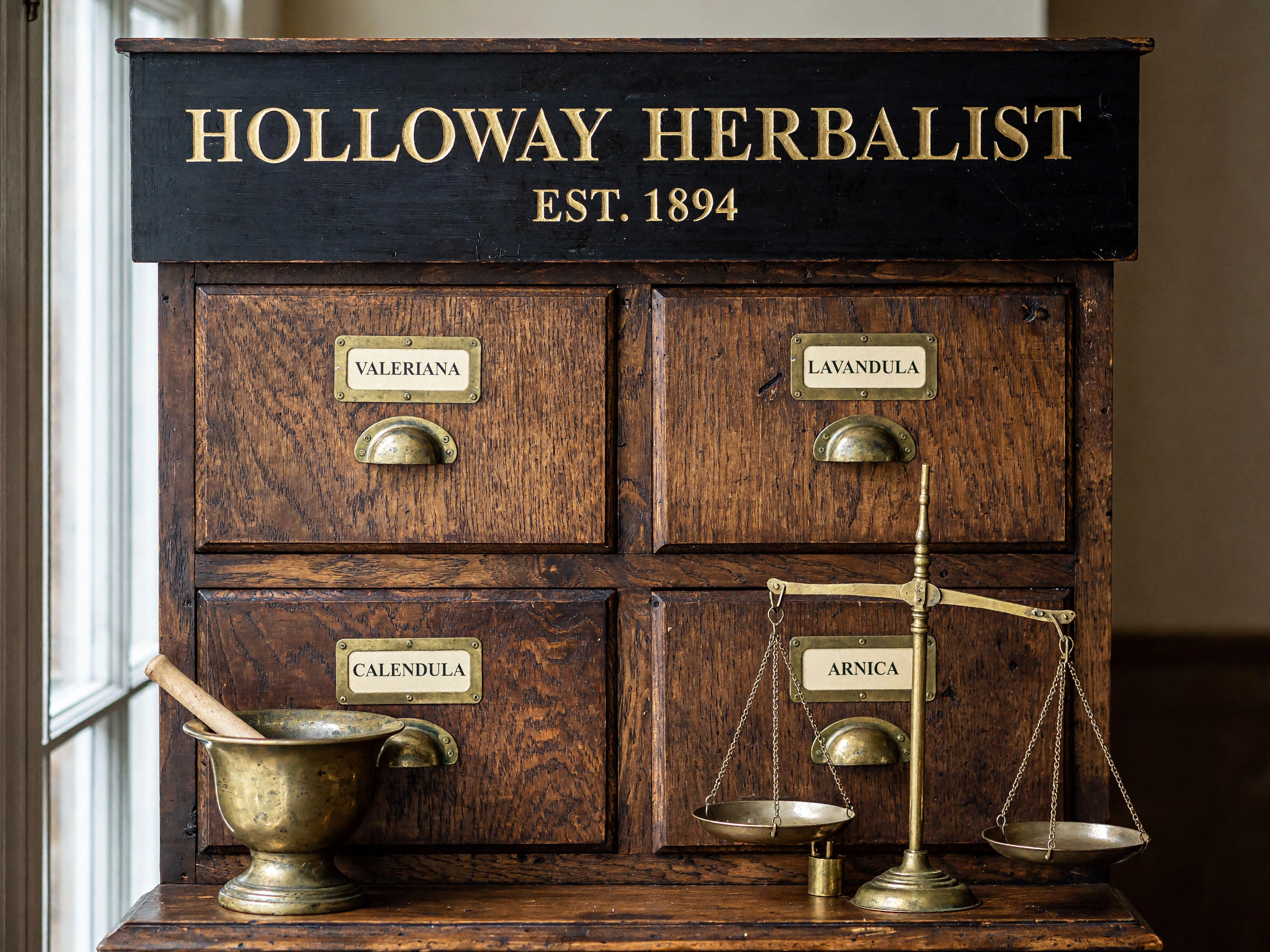
- •Legible text, posters and signage: area 4K, an explicit aspect_ratio such as 4:3, enhancement on, and text in quotes. This is how the default example, a labelled herbalist's cabinet, rendered every word correctly.
- •Print and large format: 4K, with an exact size for the final dimensions.
- •Fast iteration: 2K, num_images up to 10 to compare options, and the highspeed speed tier.
- •Pick output_format png for sharp text or transparency, jpeg for smaller files.
Examples to try
Each example below ran end to end through the model at the settings shown - area 4K, standard speed and prompt enhancement on - and the card plays the exact prompt back into the form. Only the aspect ratio changes from one to the next.
- •
Legible in-image text and layout. Prompt: "A straight-on view of a Victorian herbalist's cabinet: a grid of small oak drawers, each with a round brass cup handle and a cream card label in a brass frame. The front labels read 'VALERIANA', 'LAVANDULA', 'CALENDULA' and 'ARNICA' in black serif capitals. A hand-painted wooden header board above the drawers reads 'HOLLOWAY HERBALIST' with 'EST. 1894' beneath in gold leaf. A brass mortar and pestle and a set of apothecary scales rest on the counter below. Even daylight from a side window, aged wood grain and tarnished brass." Every requested word renders correctly spelled and placed, from the gold-leaf header to the four drawer labels. Quote the exact words in single quotes and keep a less-wide ratio like 4:3 so lettering stays large.
- •
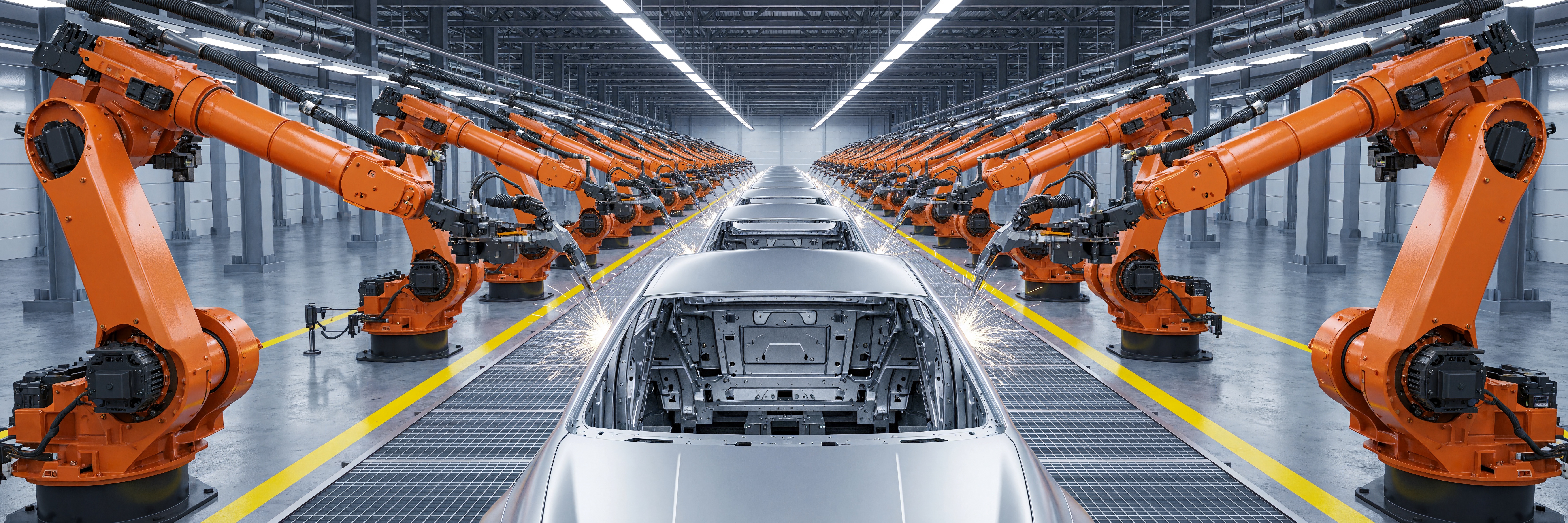
Ultra-wide 3:1 framing. Prompt: "An ultra-wide view straight down a car-factory assembly line: a long row of unpainted silver sedan shells on a steel conveyor recedes to a vanishing point, flanked on both sides by orange robotic welding arms frozen mid-weld, each throwing a short burst of white sparks. Polished concrete floor, yellow painted safety lines, cool even overhead lighting, no people." The 3:1 output (7104x2368) fills the banner edge to edge with no crop. Set aspect_ratio anywhere from 1:3 to 3:1 up front, and give the scene depth so the wide frame stays busy.
- •
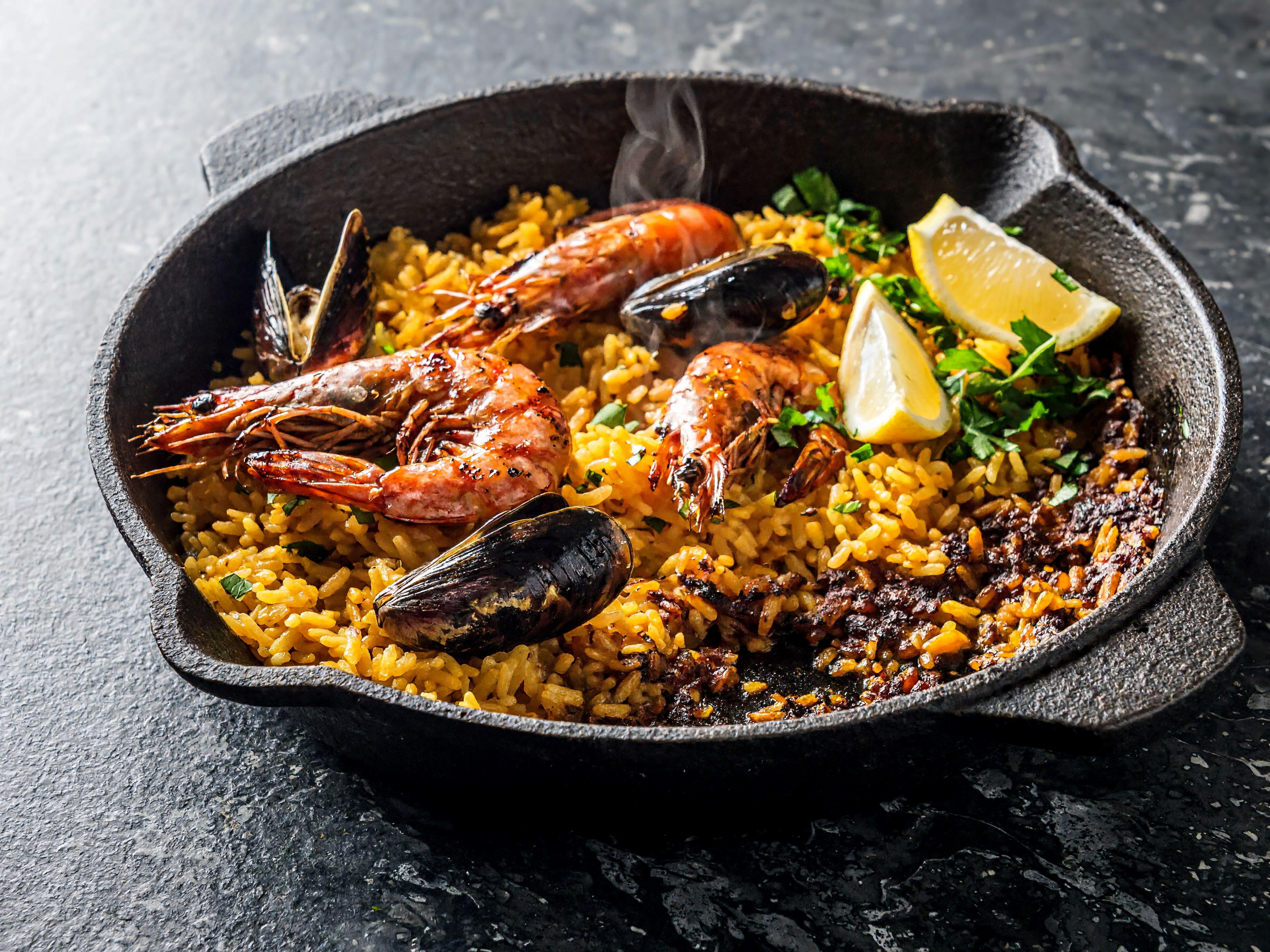
Photoreal material realism. Prompt: "A cast-iron pan of saffron paella on a dark slate counter, shot three-quarter from above: glossy mussels and seared prawns on golden rice, a charred socarrat crust at the pan's edge, two lemon wedges and a scatter of chopped parsley, faint steam rising. Side daylight, visible grains of rice and an oil sheen." Shellfish sheen, separate rice grains and rising steam read as a real photograph. Name the materials and one light direction, and keep enhancement on to fill in fine texture.
- •
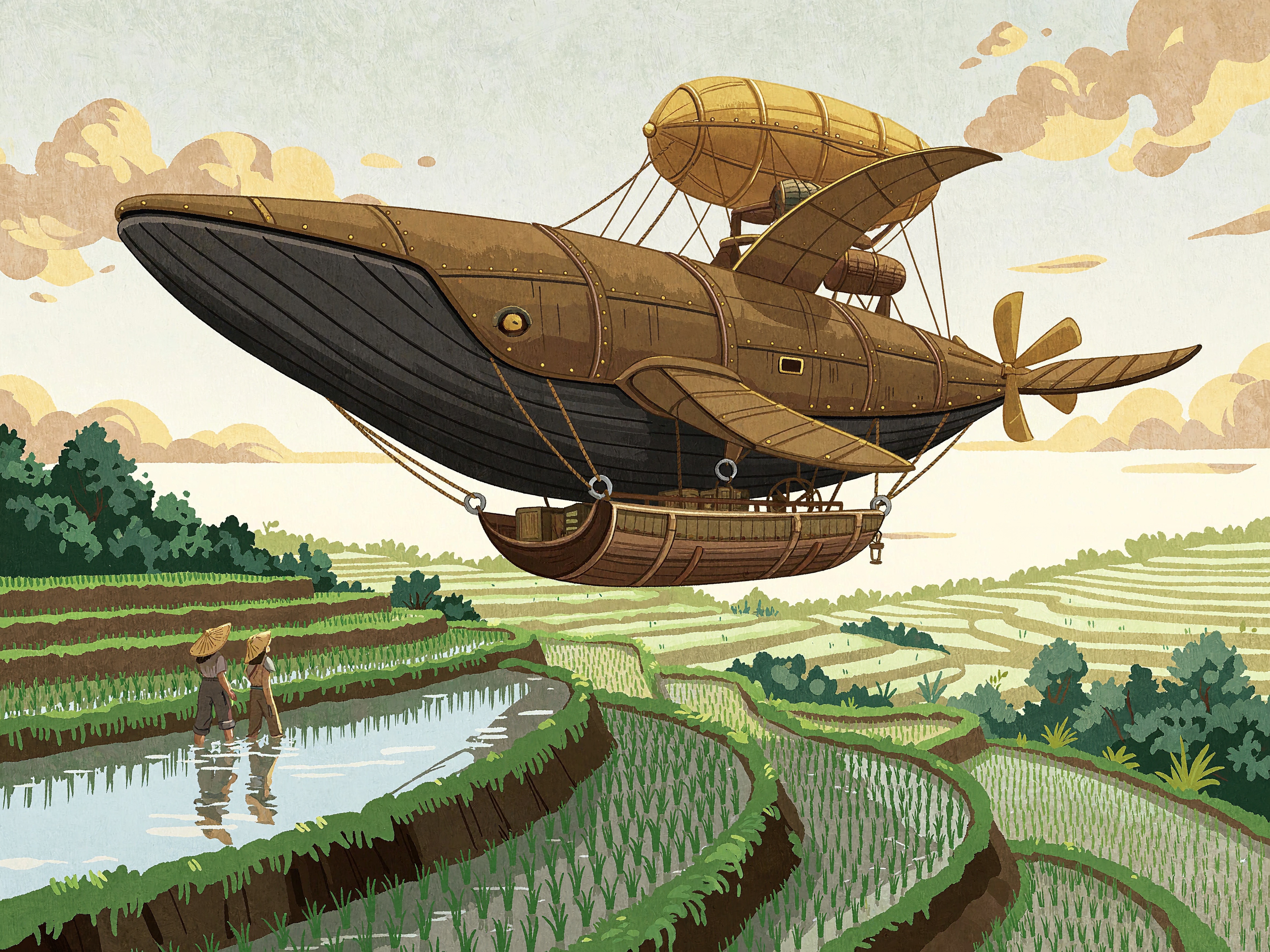
Illustration and concept-art styles. Prompt: "A gouache concept illustration of a whale-shaped airship drifting low over terraced green rice paddies, its wooden gondola slung beneath on rope rigging, two tiny farmers looking up from a flooded terrace. Loose visible brushstrokes, flat poster-like colour, soft paper grain." Visible brushwork, flat poster colour and paper grain keep it clearly painted, not photoreal. State the medium first so the whole frame commits to the style.
Other prompts the model is built for: "a vertical 9:16 movie poster with the title in quotes", "a product-label mockup on a frosted glass jar", "a watercolour storybook spread of a fox and a copper kettle".