MiniMax H3 Highspeed Reference to Video
What is MiniMax H3 Highspeed Reference to Video?
MiniMax H3 Highspeed Reference to Video is the reference-driven mode of MiniMax's H3 (Hailuo 3.0) Highspeed tier, the speed-and-quality balanced member of the omni-modal H3 video family. You supply reference media - up to nine images of a character, product or place, plus up to three reference videos and three reference audios - with a prompt, and the model generates a fresh 768P clip, 4 to 15 seconds long, that keeps your referenced subject consistent while it performs the action you describe. Native stereo audio is produced in the same pass as the picture. The Highspeed tier trades the standard tier's 2K ceiling for faster turnaround, the practical default when on-model consistency and speed matter more than maximum resolution.
Key Features
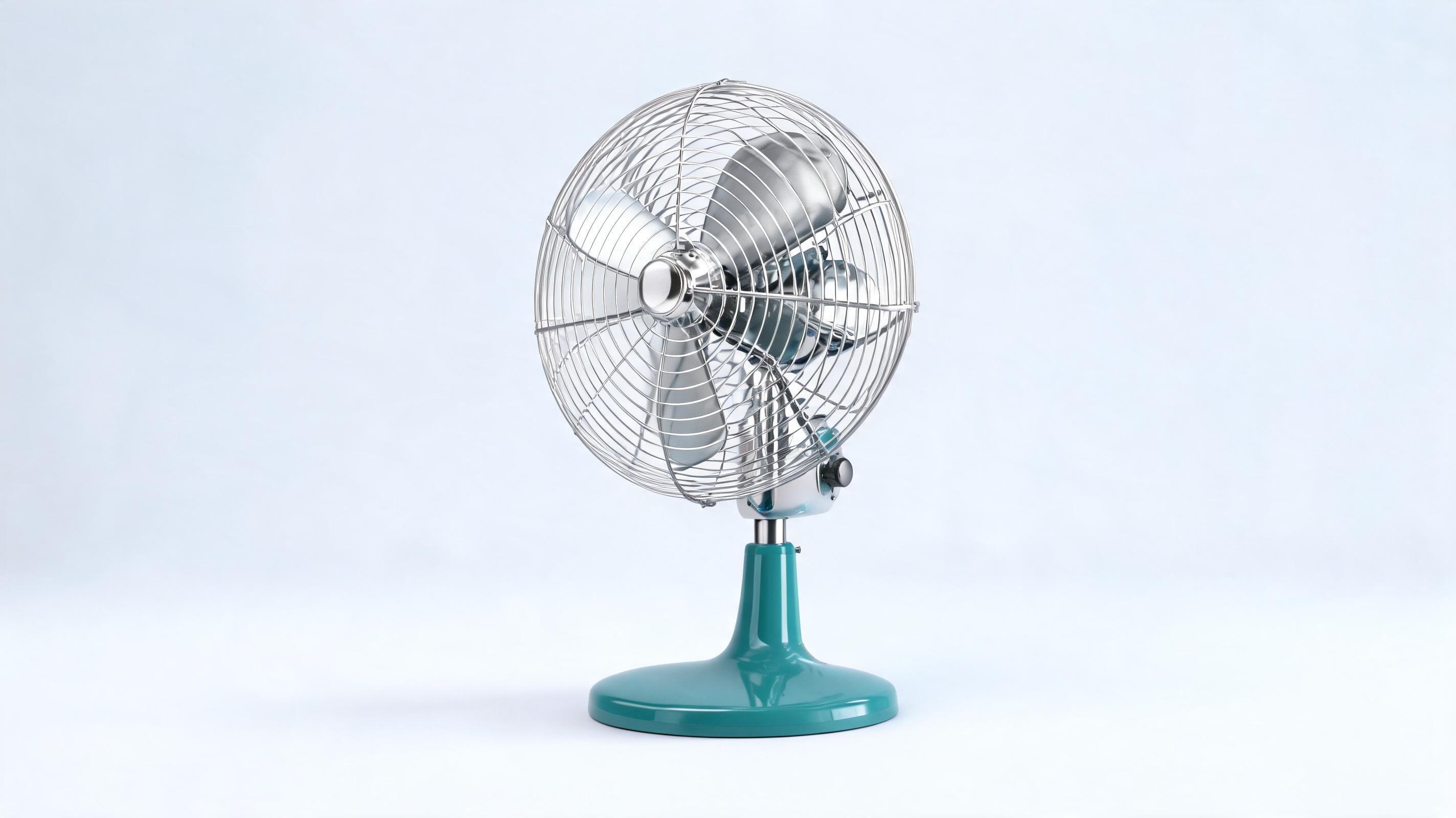
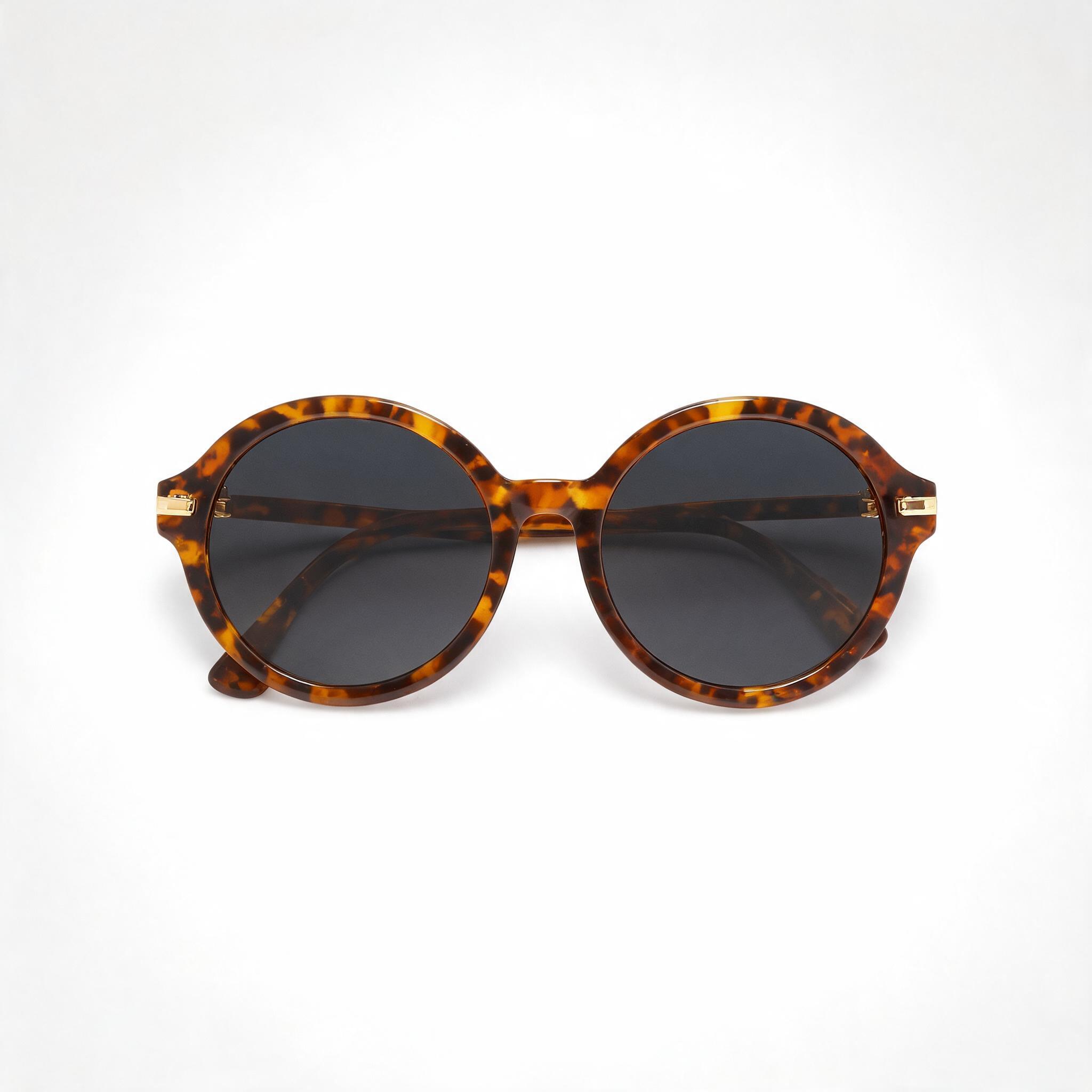
- Reference consistency: keep a character, product or place recognizable inside a brand-new scene the model composes, from up to nine reference images - not just an animated still.
- Multi-modal references: steer movement and style with up to three reference videos, and voice or sound with up to three reference audios.
- Native stereo audio generated alongside the video in one pass.
- Flexible output: 4 to 15 seconds; aspect ratios from 21:9 to 9:16, or adaptive to follow the references; prompts up to 7000 characters.
Best Use Cases
Reference-to-video is strongest when a subject must stay on-model across many clips: a recurring brand character or mascot, a product in lifestyle b-roll, a presenter whose look must match, or a location kept consistent shot to shot. In testing, a single studio portrait of a distinctively styled scientist drove a freshly composed lab scene in which the same character ran an effervescence experiment, proving the subject transfers into an environment the model builds from scratch. It suits social and ad creative needing many on-brand variations fast, explainer clips, storyboards, and product demos.
Prompt Tips and Output Quality
Supply one to three clean, well-lit reference shots on a plain background, then name the subject as "the X in Image 1". Describe one clear action and a motivated camera move, and keep the scene focused rather than crowded. The confirmed 768P output is sharp and coherent with synchronized audio and no identity drift; raise duration for a fuller action and use adaptive ratio to let framing follow your references.